Gender‑based violence (GBV) is violence rooted in gender inequality and discrimination. It affects millions of women and girls worldwide through physical, sexual and emotional abuse. World Vision’s child sponsorship program helps girls access protection, justice, counselling and education to keep them safe and rebuild their futures.
Content warning: this article contains details of sexual assault, sexual violence and gender‑based violence. These topics may be distressing or triggering for some readers. We share these stories with deep respect because raising awareness helps protect children from harm.
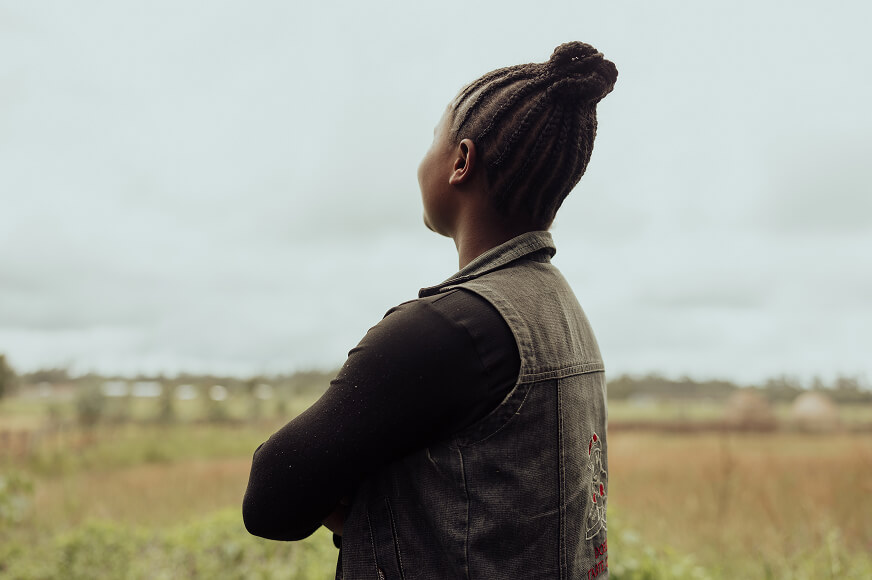 Photo by: Aklilu Kassaye of World Vision
What is gender‑based violence (GBV)?
Gender-based violence occurs when a person harms, abuses or coerces another person because of their gender. The motive for violence is rooted in gender inequality, discrimination and unequal power dynamics.
Gender-based violence includes many forms such as:
- Physical and sexual violence
- Emotional and psychological abuse
- Sexual exploitation
- Forced or early marriage
- Trafficking
- Forced pregnancy
- Coercion, threats and controlling behaviours
- Other violations that target someone because of their gender
Many survivors of GBV experience violence from someone close to them. It could be an intimate partner, family member or authority figure. But, it’s not always easy to detect. Sometimes it looks like silence, shame, fear or isolation. The impact is life‑changing and the trauma can last a lifetime, especially if victims are forced to stay silent.
Survivors of gender-based violence matter
Around the world, countless girls carry violent experiences in silence. Sexual assault is not only a crime, it’s a deeply isolating trauma. Girls are met with unbelief, blame or indifference instead of care and compassion. For too many girls, the shame and stigma surrounding sexual violence create an unbearable weight they often carry alone.
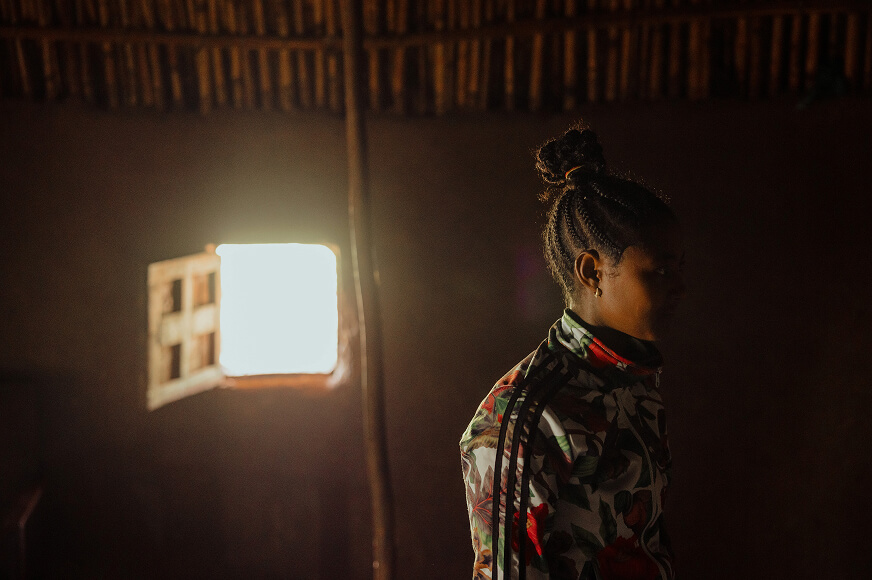 Photo by: Aklilu Kassaye of World Vision
Gender-based violence statistics
Gender‑based violence is one of the most pervasive human rights violations in the world. The statistics show that women and girls are disproportionately affected by GBV because of gender inequality.
- Globally, 840 million women have experienced physical or sexual violence during their lifetime. That’s one in three women.
- One in four adolescent girls under 19 who have been in a relationship report some form of abuse.
- 263 million women 15 years and older have experienced sexual violence from someone other than a partner at least once in their lifetime.
- Sixty million displaced or stateless women and girls face higher risks of GBV. The risk increased by 50 per cent last year.
- Every one degree Celsius rise in global temperature is linked to a 7 per cent increase in intimate partner violence.
- An estimated 15 million adolescent girls aged 15 to 19 have been forced into sex.
And yet, these gender-based violence statistics hide a much harsher truth: many cases of GBV remain unreported.
Living free from GBV is a human right. Here’s how we’re tackling GBV prevention in the areas we work.
Examples of gender-based violence
World Vision actively advocates for women and girls who have survived gender-based violence. These examples of gender-based violence demonstrate both sexual and domestic abuse scenarios and how we help. We support survivors in their darkest moments and work to promote gender equality in communities.
Misho*’s story
*name changed to protect survivor’s identity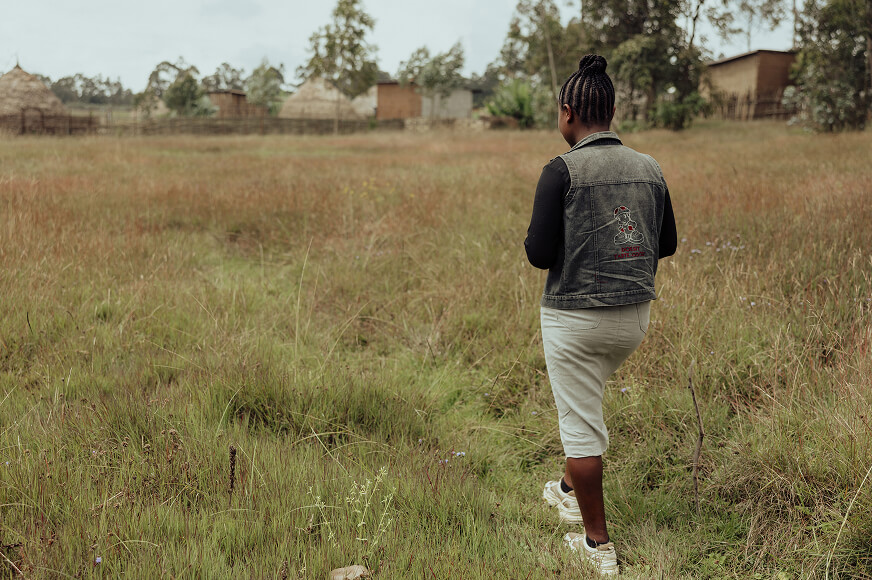 Photo by: Aklilu Kassaye of World Vision
Misho was only 14 when she was violently attacked and raped by a 25-year-old man. She was walking home from a visit with her cousin. She was left in a forest in the mountains of Hula, Ethiopia until a passerby found her and took her to the hospital for treatment. Misho’s wounds were just physical—she also suffered mental and emotional trauma.
“I isolate myself and sit alone. When I pass by people and see people talking to each other, I feel like they are talking about me and remain ashamed. I am hurt. I feel that I am not the former strong and happy Misho. I am hopeless.”
Misho’s words reveal the depth of pain survivors endure. Sexual violence can shake a girl’s confidence, relationships, education and sense of belonging. And when she loses these, whole communities lose too—her potential, her contributions and her dreams.
Misho was not alone
Misho's family surrounded her with love and her father fought hard to bring the attacker to justice. World Vision helped her family report her case to the police and the local women and children’s office. She also received trauma counselling through World Vision to help her on her journey to recovery.
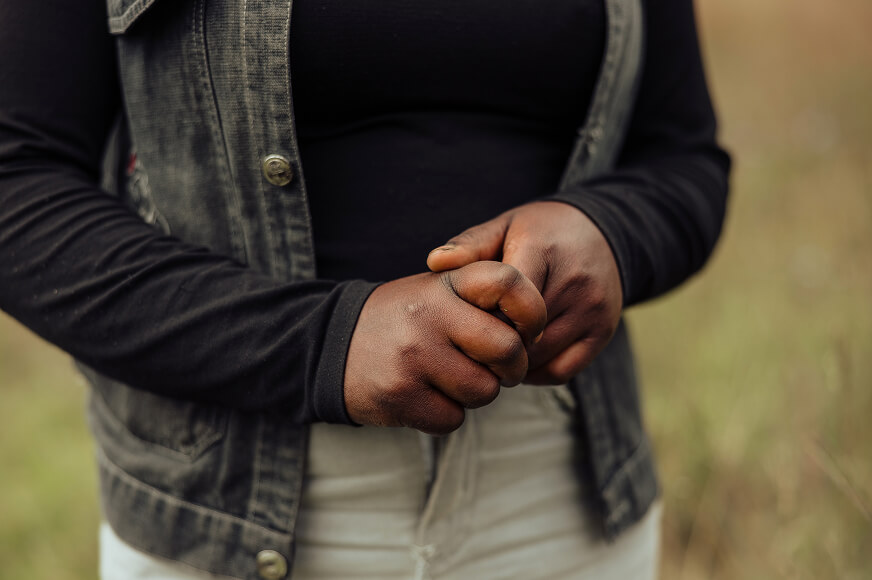 Photo by: Aklilu Kassaye of World Vision
Justice for Misho
Her perpetrator was originally sentenced to a mere three years in prison—showing an absolute lack of GBV prevention in Hula, Ethiopia. With World Vision’s support and involvement, her family successfully appealed the sentence. Misho’s attacker received a longer sentence of 15 years in prison.
Misho gets a fresh start and plans to pursue a career as a lawyer
One year later, Misho is now returning to school in a new school and has changed her name to put the past behind her. While she is still dealing with the trauma of her experience, she now hopes to make a fresh start. As Misho looks to the future, she hopes to make a difference for girls who have suffered like her.
She explains, “Going forward, I would like to study law and be a lawyer in the court and advocate for children who experience the same sort of challenges in their lives. I want to bring justice in this unfair world, especially in my community to those girls who are in many sufferings.”
Rachana*’s story: transforming a family wrought with domestic violence
*name changed to protect survivor’s identityIn her small, rural town of Cambodia, Rachana’s father abused more than just alcohol. When he came home from a night of drinking, neighbours could hear the sounds and see the aftermath of his violent episodes. Marred by pain, fear and shame, Rachana’s father also forbade her from attending school as he felt the weight of the family’s financial challenges.
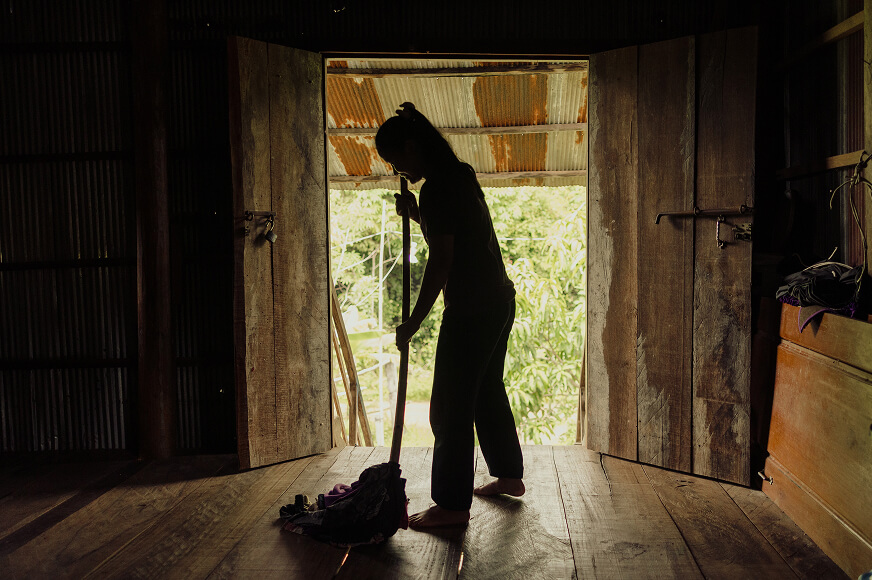 Photo by: Dara Chhim of World Vision
Alone, Rachana hoped for a way out
“I was really hurt back then when my father hit me and forced me to stop going to school because I truly wanted to continue my studies, and no one cared about my well-being,” Rachana recalls. “When I dropped out of school, my dream of achieving good grades and securing a better future was shattered.”
The abuse pushed Rachana into deeper isolation. Other families wouldn’t allow their children to play with Rachana because of her visible wounds and the stigma her family carried within the community.
World Vision helped Rachana’s family build healthy relationships
In 2010, World Vision began working in Chikraeng. When local staff heard about Rachana’s situation, they helped her process her experience as a survivor of gender-based domestic violence.
Her parents attended a World Vision family workshop. It helps couples understand the damage of family violence, build healthy relationships and learn positive parenting strategies. Through the child sponsorship program, the World Vision team also helped Rachana’s mother to earn more money. They encouraged her to advocate for Rachana’s education.
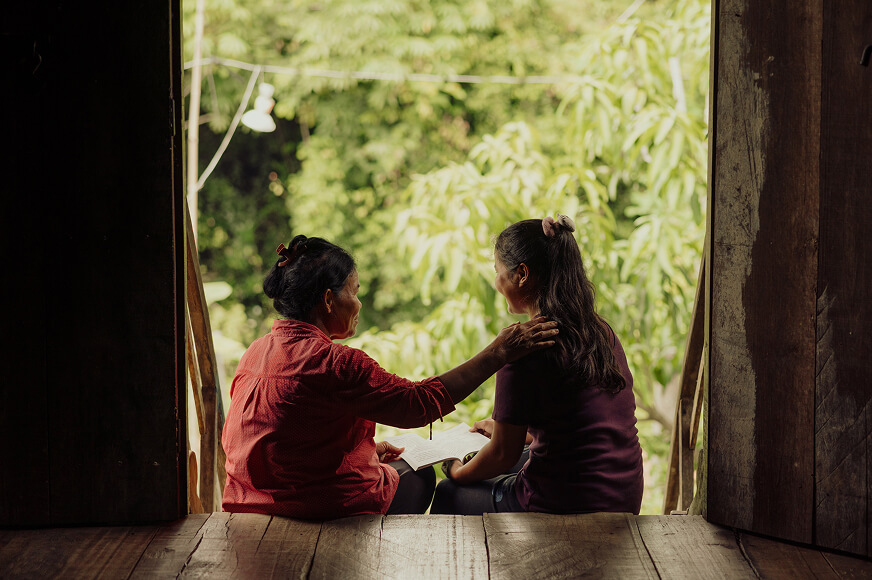 Photo by: Dara Chhim of World Vision
Rachana recalls, “My father joined the Happy Family group, which helped him understand the negative impact of his actions. That’s when he gave up those behaviours and began providing warmth and support to the family.”
Transforming trauma into triumph
Rachana has also learned a lot. She joined training for young people on child protection, child rights and healthy family relationships. She also became a youth club leader to share what she has learned with other kids. Having completed her final high school exam, Rachana is hopeful about what the future holds.
She shared, “I want to be a teacher because I want the next generation to understand the value of education, as it ensures them a bright and secure future.”
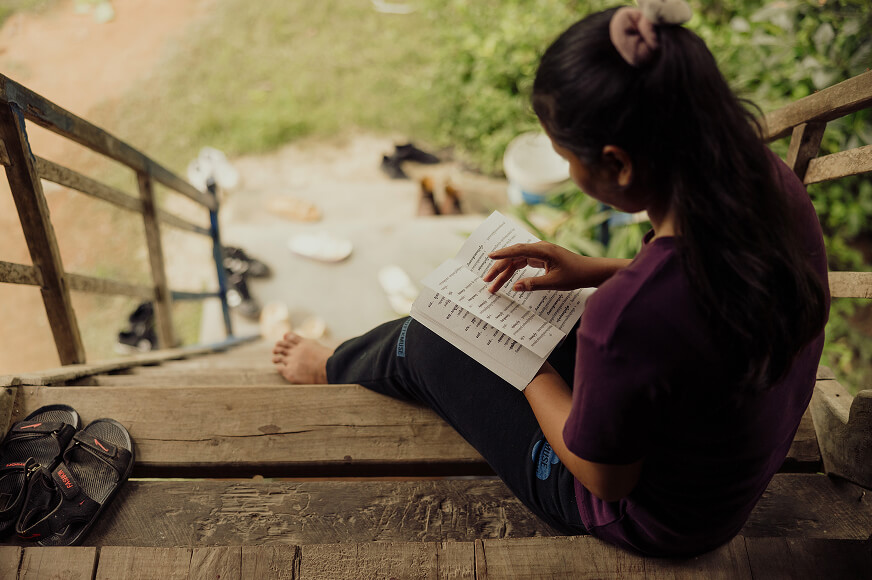 Photo by: Dara Chhim of World Vision
How child sponsorship helps girls reclaim their future after gender-based violence
Every day, Canadians are helping girls reclaim dignity, rebuild confidence and rediscover safety through child sponsorship. The program strengthens whole communities to prevent violence, protect girls and walk alongside GBV survivors as they heal.
Here’s how Canadians are making a difference through child sponsorship:
1. You help children understand their worth and their rights
Teaching children about safety, respect and boundaries empowers them to speak up. Sponsorship supports programs that help them recognize healthy relationships, understand their rights and seek help when they need it most.
2. You help connect survivors with trusted local support systems
Trained counsellors, healthcare workers, psychologists, legal advocates and women’s groups create a safety net. This ensures that no survivor of gender-based violence is alone. Sponsorship advocates for girls to be heard, believed and supported with dignity.
3. You strengthen community protection systems
Sponsorship provides training for police, teachers, health workers, faith leaders and community members. They learn to recognize signs of violence and intervene early. Strong systems make it harder for abuse to hide and easier for survivors of gender-based violence to access care.
 Photo by: Aklilu Kassaye of World Vision
4. You help transform harmful social norms
We must challenge deep‑rooted beliefs that diminish girls’ worth or normalize violence. Sponsorship empowers local leaders and families to redefine what girls deserve: respect, opportunity and safety.
5. You equip parents and caregivers to safeguard their children
Parents become strong protectors by getting training in positive parenting, non-violent discipline and early detection of the signs of abuse. Child sponsorship helps build homes where children feel safe, valued and open about their struggles.
6. You help girls stay in school—a strong protection against gender-based violence
School provides stability, trusted adults and supportive peers. supplies learning materials, teacher support and tools that help families rise economically. This frees girls to attend school and take charge of their destiny. And, for each additional year of education a girl receives, the chance of child marriage reduces by seven per cent.
 Photo by: Dara Chhim of World Vision
You can help protect vulnerable girls from gender-based violence
Girls around the world face the threat of sexual assault. Together, we can raise the voices of girls who have survived gender-based violence. Help them re-write their story, find healing and peace. Your sponsorship can be the turning point, transforming fear into safety, silence into support and trauma into hope.
Sponsor a girl for $49 a month and help her reclaim her future.