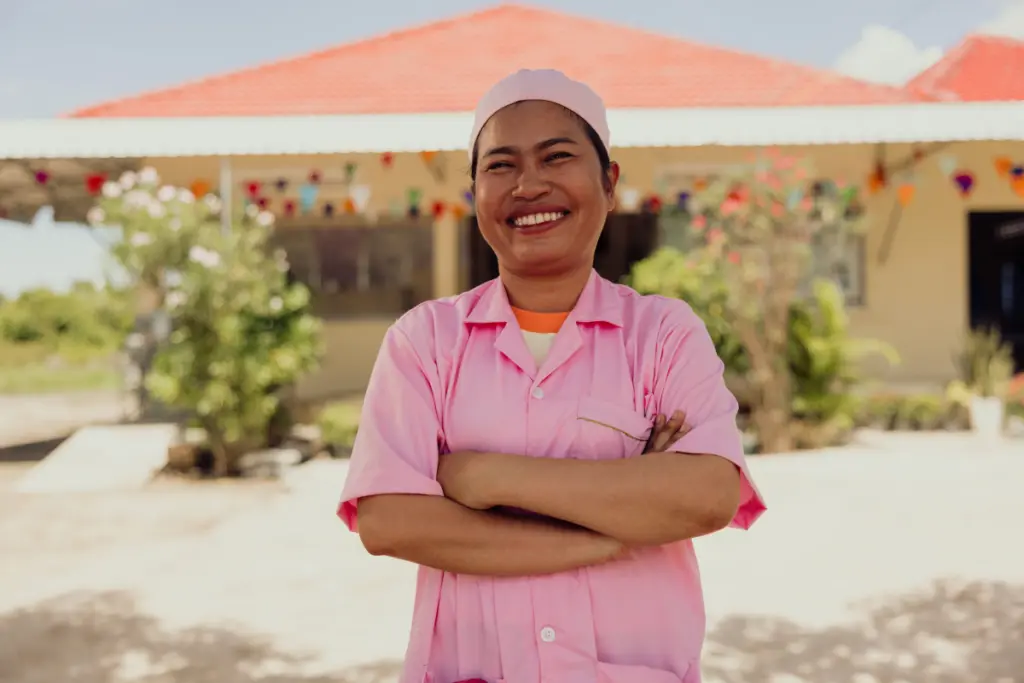
Right now, girls like Glory are missing up to 20 per cent of school simply because they have their period. Without pads or private toilets, they face shame, fear and even dangerous choices just to manage a basic part of life. Child sponsors are helping to transform Glory’s school and community in Endabash, Tanzania—restoring dignity for girls.
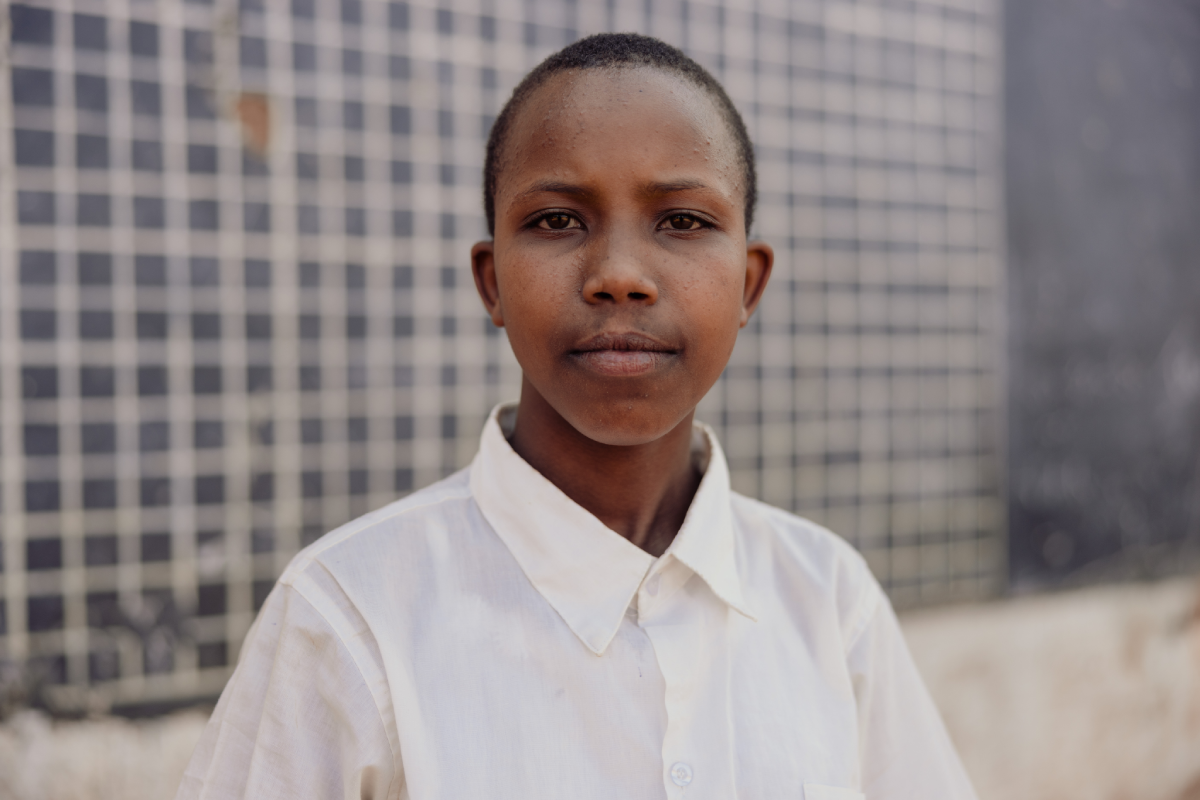 Photo by: Ben Adams of World Vision
For most of her school years, 13-year-old Glory has shared crowded classrooms, leaky roofs and damaged textbooks alongside her peers. While these conditions made learning difficult, a greater challenge arose for Glory and her female peers—menstruation and the period stigma that came with it.
What is period stigma?
It's the cultural shame and silence around menstruation. Having your period is viewed as dirty, embarrassing or abnormal, when it should be seen as basic human biology.
Period stigma can lead to unfair discrimination toward women and propagates misinformation. It creates barriers in school, work and health care for women and girls who menstruate. Many feel they must hide their periods instead of managing them openly.
Because of this, girls miss school and women avoid health care. People may also feel uncomfortable advocating for supplies to manage their periods, especially if it’s a financial burden on their family (also known as period poverty). Period stigma harms the dignity and well-being of women.
For Glory, period stigma was a barrier to education
In Glory’s rural community of Endabash, Tanzania, menstruation is shrouded in silence and stigma. Conversations about reproductive health are rare and knowledge is limited—even among adults. That means many girls aren’t prepared when they get their first period. They don’t speak to their parents about it and resort to using scraps of cloth to manage the bleeding. Even if they wanted sanitary pads, most families couldn’t afford them.
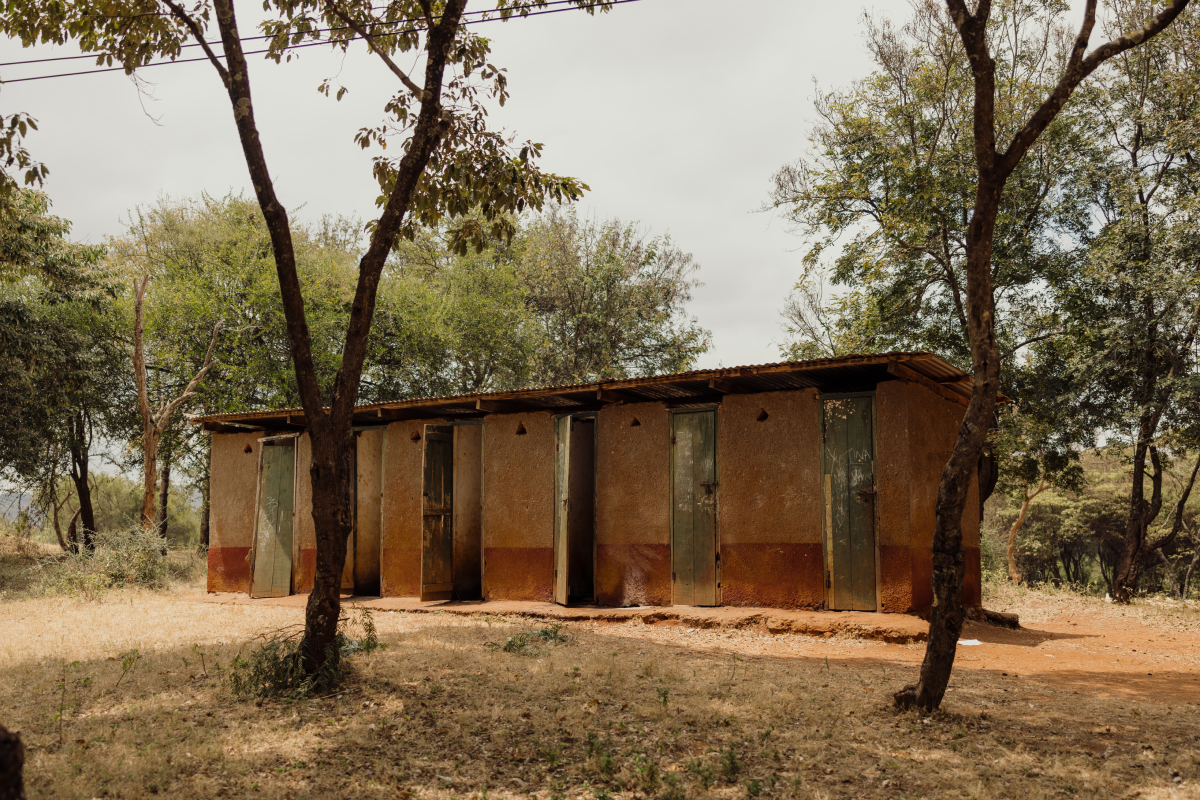 Photo by: Ben Adams of World Vision
The school toilets offer no relief, either. They are narrow concrete stalls without doors, barely wide enough to stand in. There’s only a hole in the floor—no water, no toilet paper and no place to dispose of pads or cloths. Privacy is nonexistent, making it nearly impossible for girls to manage their period.
“I wonder whether people know how girls my age attending rural schools manage during their periods without access to girl-friendly toilets,” Glory ponders.
Periods were a source of shame and desperation
In many low-income countries, like Glory’s community of Endabash, girls wash their cloths in secret and hide them under mattresses. These unhygienic practices often lead to skin and bladder infections.
The cloths themselves are unreliable, leaving girls vulnerable to humiliation and teasing when stains appear on their skirts. “Period time can be stressful,” Glory shares, “being unsure whether you have messed up your skirt, worsened by the fear of boys laughing at you.” The school office keeps spare sweaters for girls to tie around their waists, but this small gesture does little to ease the embarrassment.
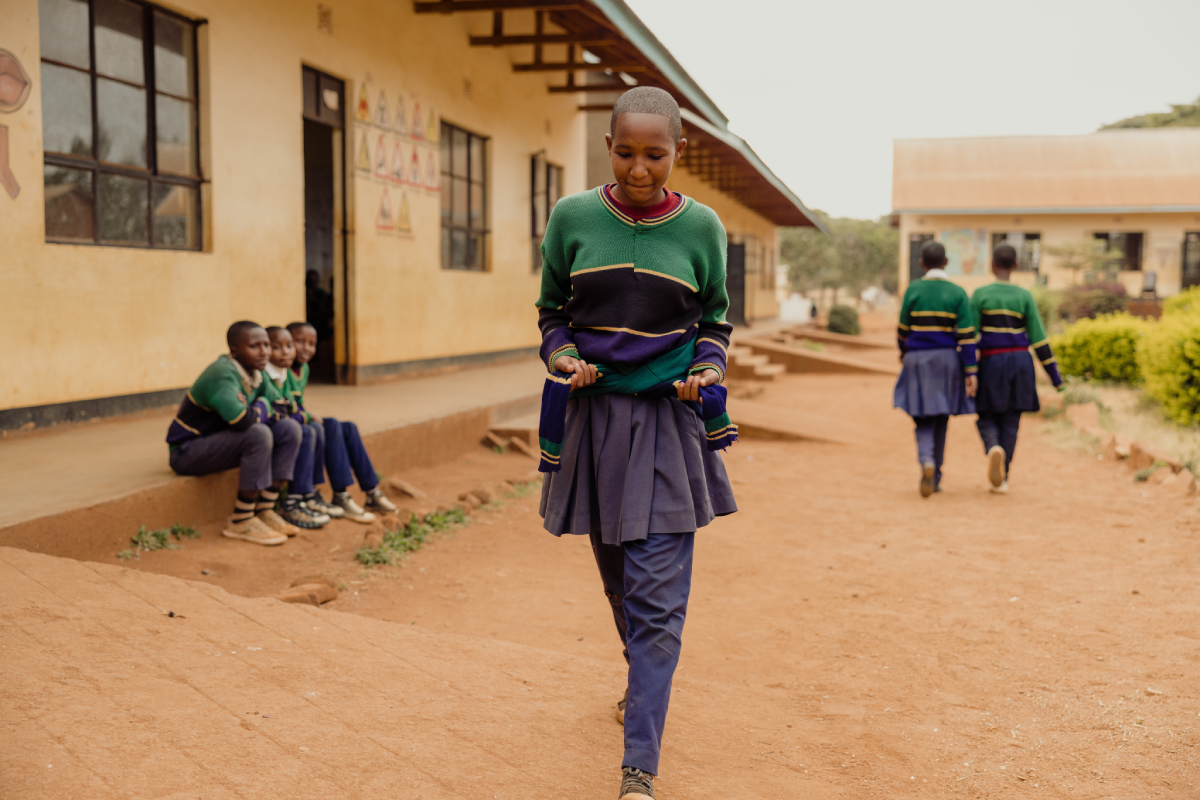 Photo by: Ben Adams of World Vision
World Vision’s girls’ empowerment project officer, Neema Mbwambo, explains, “Some girls are so desperate to avoid this shame that they will offer sex with older men in exchange for sanitary pads.”
No girl should have to make that choice. It is every girl’s right to have access to menstrual hygiene supplies for managing their periods.
Missing out on education because of period stigma
Faced with these challenges, many girls in rural communities choose to stay home during their periods. Missing several days each month quickly adds up to weeks of lost learning. Glory says it’s common for girls who once excelled in class to see their grades slip after puberty.
The consequences are severe. Some girls fall behind and fail their final exams, limiting their chances of securing good jobs. Others drop out entirely, abandoning dreams of education and turning to other options for survival.
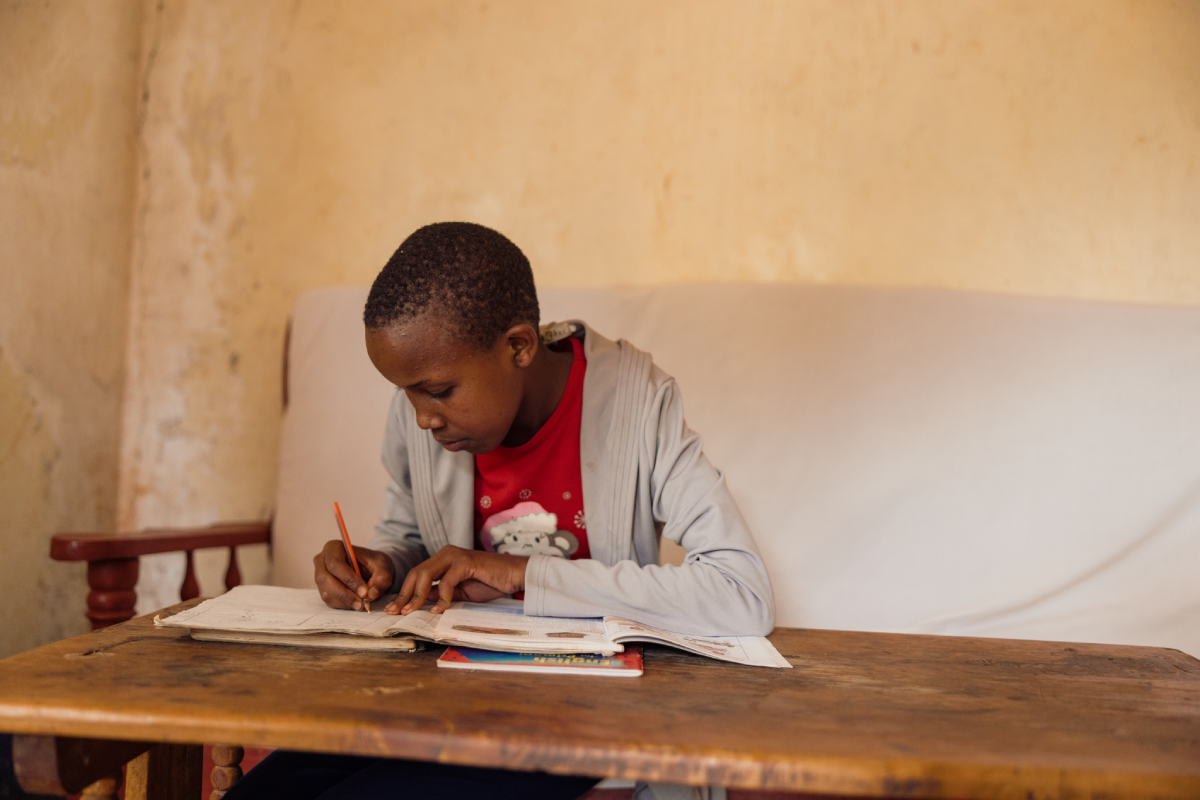 Photo by: Ben Adams of World Vision
How child sponsorship reduced period stigma for Glory and her peers
When World Vision entered Endabash in 2021, Glory started to see a difference. For Glory and her female peers, it became easier to manage their periods with dignity—and stay in school while doing so. She states, “After the sponsors constructed washrooms for us, the academic performance of girls has improved a lot. There are pads for girls during menstruation when at school.”
Schools facilities were updated—complete with dedicated washrooms for girls
Eight new classrooms have been built and three more renovated, complete with desks, a school kitchen, an administration office and a library.
Two new toilet blocks now provide privacy and dignity, with doors on every cubicle and handwashing stations. Girls’ toilets include a special cubicle with an incinerator for used pads, a sink with running water and a cupboard stocked with emergency reusable pads.
“World Vision constructed beautiful latrines and handwashing facilities—now our school looks like a real school, as I used to see only in pictures. I attend school every day,” Glory says confidently.
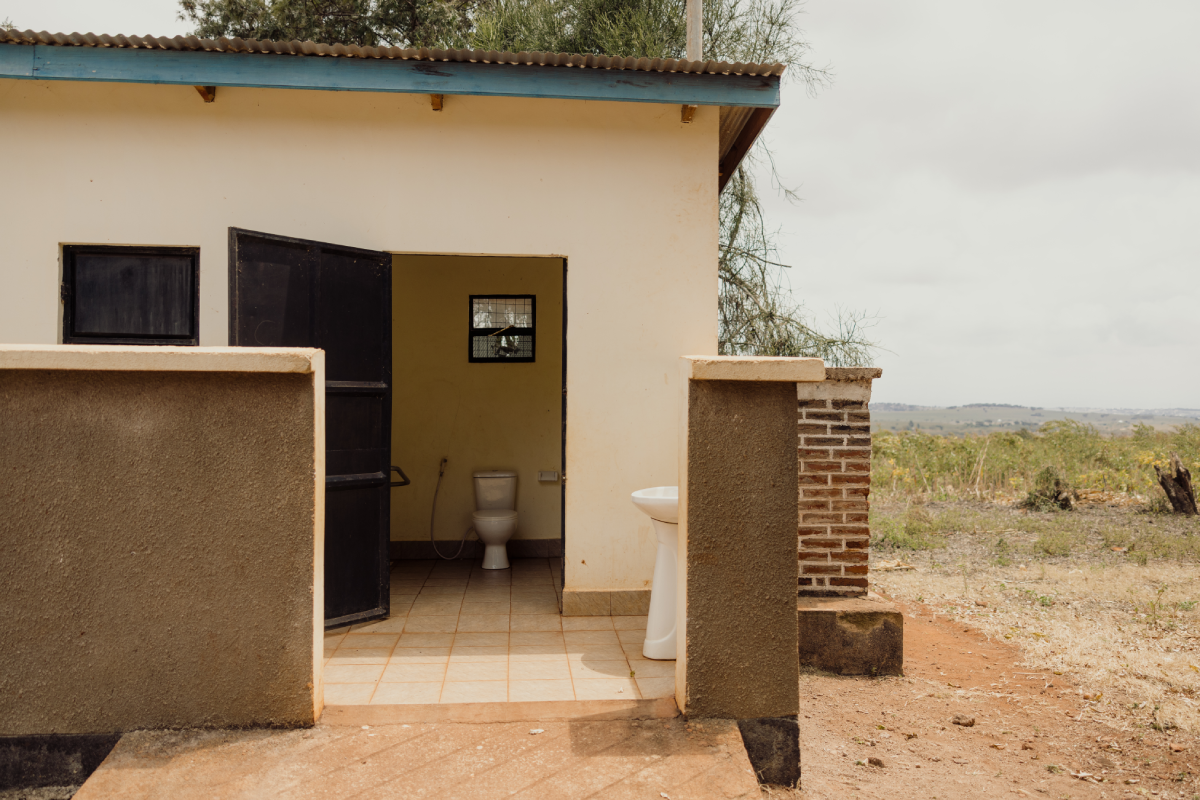 Photo by: Ben Adams of World Vision
Girls and boys receive reproductive health education
Through sponsorship programs, students—both boys and girls—are learning about their bodies, puberty and reproductive health. Menstruation is normalized as a healthy part of life.
Students are empowered as a community
Girls’ empowerment clubs teach children how to make reusable sanitary pads, producing dozens each month. These clubs are popular among boys and girls alike, as reusable pads help reduce period poverty and the burden it places on families.
Learning lifelong skills
Sponsorship also supports youth clubs that teach income-generating skills like tailoring and computer literacy. Equipped learning rooms at the Endabash area office provide sewing machines and computers, giving young people practical tools for the future.
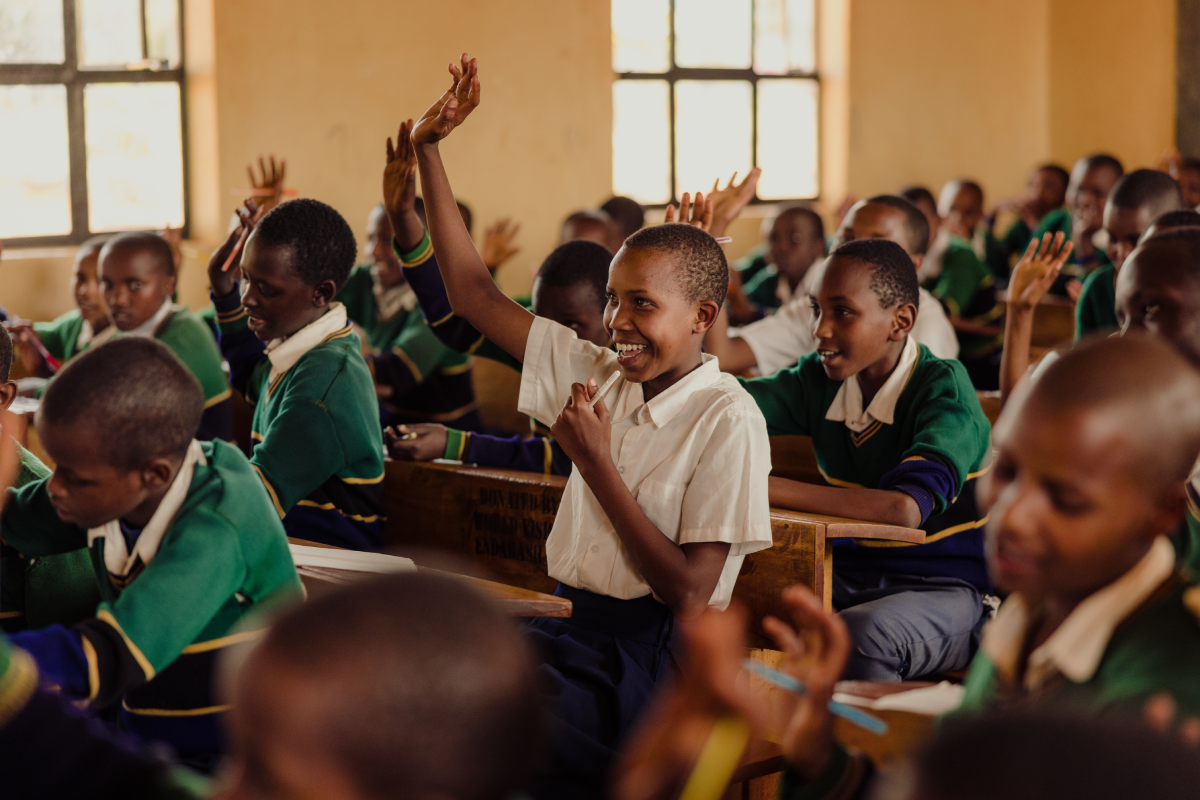 Photo by: Ben Adams of World Vision
The transformation is ongoing
There are many ways, with the help of sponsors, that we are working with the community to make lasting change for the children of Endabash.
- Girls like Glory reclaim their education and career aspirations.
- World Vision prioritizes girls’ education by improving classrooms, providing school supplies and training teachers.
- Programs address menstrual hygiene by offering education, resources and proper facilities.
- Agriculture remains the backbone of Endabash’s economy, and farmers benefit from training and resources to boost yields and income.
- Child sponsorship improves access to quality education and healthcare, ensuring children receive essential services.
- Clean water and sanitation projects reduce waterborne diseases and improve community health.
- World Vision’s community-focused approach means every sponsored child helps uplift the entire community—improving food security, nutrition, and overall well-being.
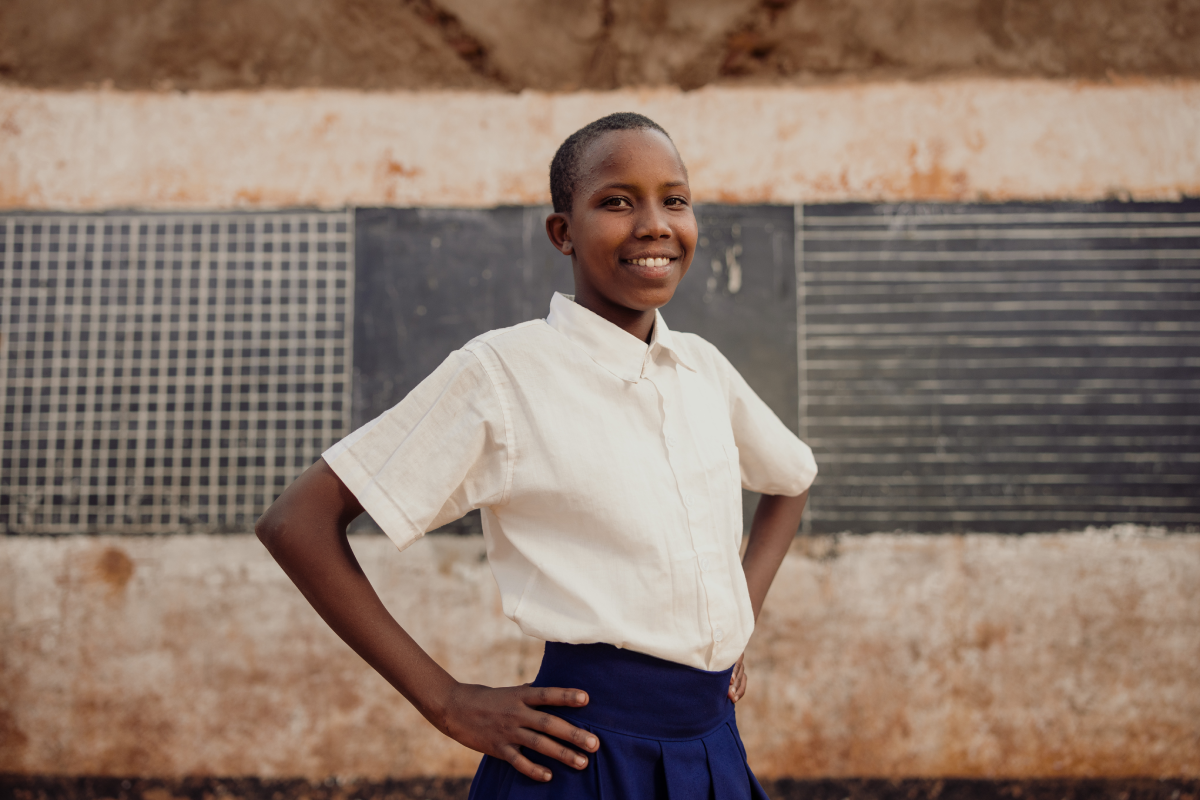 Photo by: Ben Adams of World Vision
Empower a girl’s right to education
Right now, thousands of girls like Glory face an impossible choice: endure ridicule or miss school—simply because of period stigma. Will you stand with them? With your sponsorship gift of $49 a month, you can help a girl and her community build a future full of dignity.